How the Surge in New Construction Homes is Reshaping Mortgage Options: Key Loan Programs to Consider in 2023
How the Surge in New Construction Homes is Reshaping Mortgage Options: Key Loan Programs to Consider in 2023
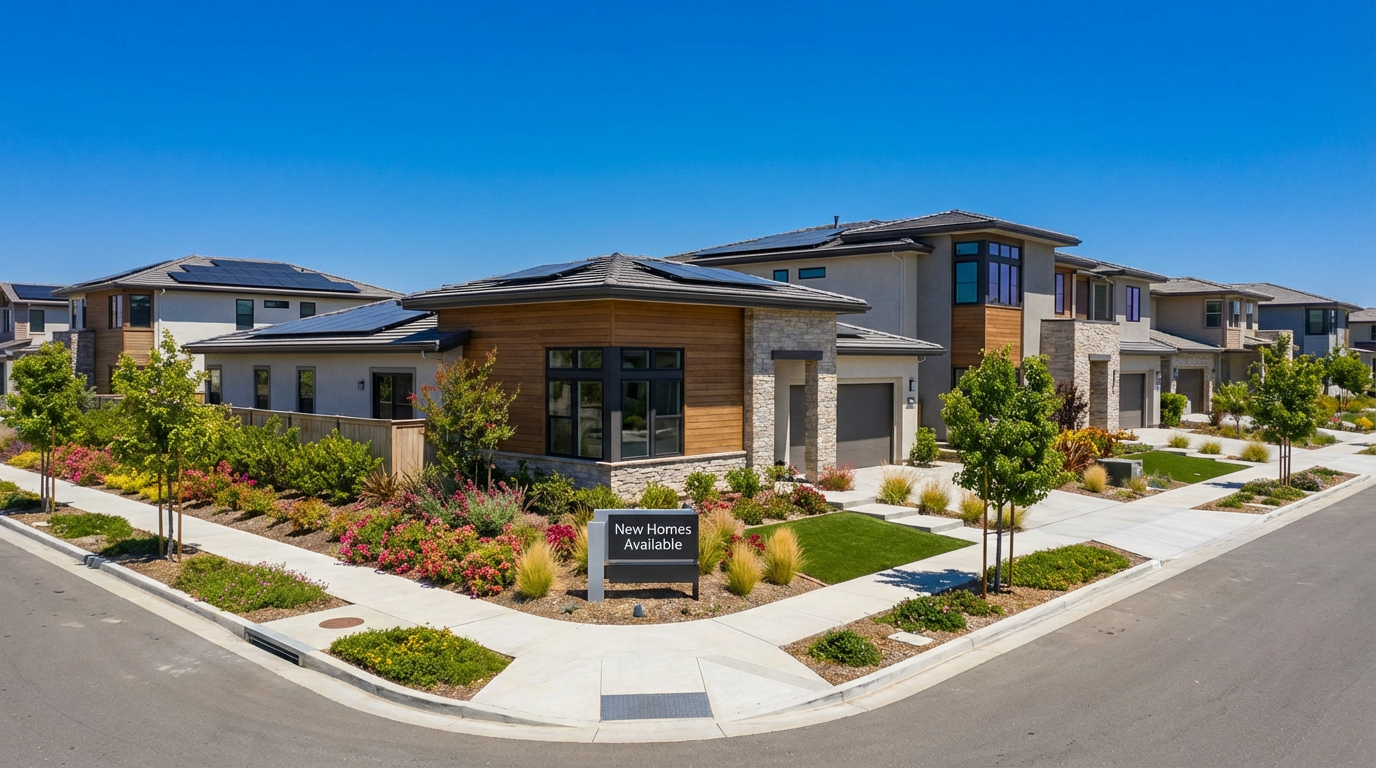
The ever-growing demand for housing has prompted a surge in new construction homes, particularly across states like Arizona, California, New Mexico, and Texas. Builders are racing to meet demand, and buyers are eagerly exploring opportunities to secure their dream homes in developing communities. However, purchasing a newly constructed home requires a different financial approach compared to buying a pre-owned home. Thankfully, mortgage options have evolved to support this trend.
In this blog, we’ll explore how the rise in newly built homes is impacting mortgage options, the key loan programs tailored to new construction, and actionable tips for buyers navigating this unique path to homeownership.
Why New Construction Homes Are Growing in Popularity
The push for new construction homes stems from multiple factors: the nationwide housing inventory shortage, growing populations in specific areas like the Sunbelt states, and buyers’ preferences for modern amenities and customizable features. States like Arizona and Texas are especially witnessing phenomenal growth, driven by affordability, economic opportunity, and family-friendly amenities.
Furthermore, builders are now crafting communities with attractive benefits, such as energy-efficient technologies, smart home integrations, and neighborhood-centric designs that appeal to today’s families and individuals. These developments bring a unique consideration—how to finance these newly-built properties seamlessly.
Understanding Mortgage Options for New Construction Homes
When buying a new construction home, your mortgage journey may differ from purchasing an existing home. Below are some standout options and factors that come into play:
1. Construction Loans
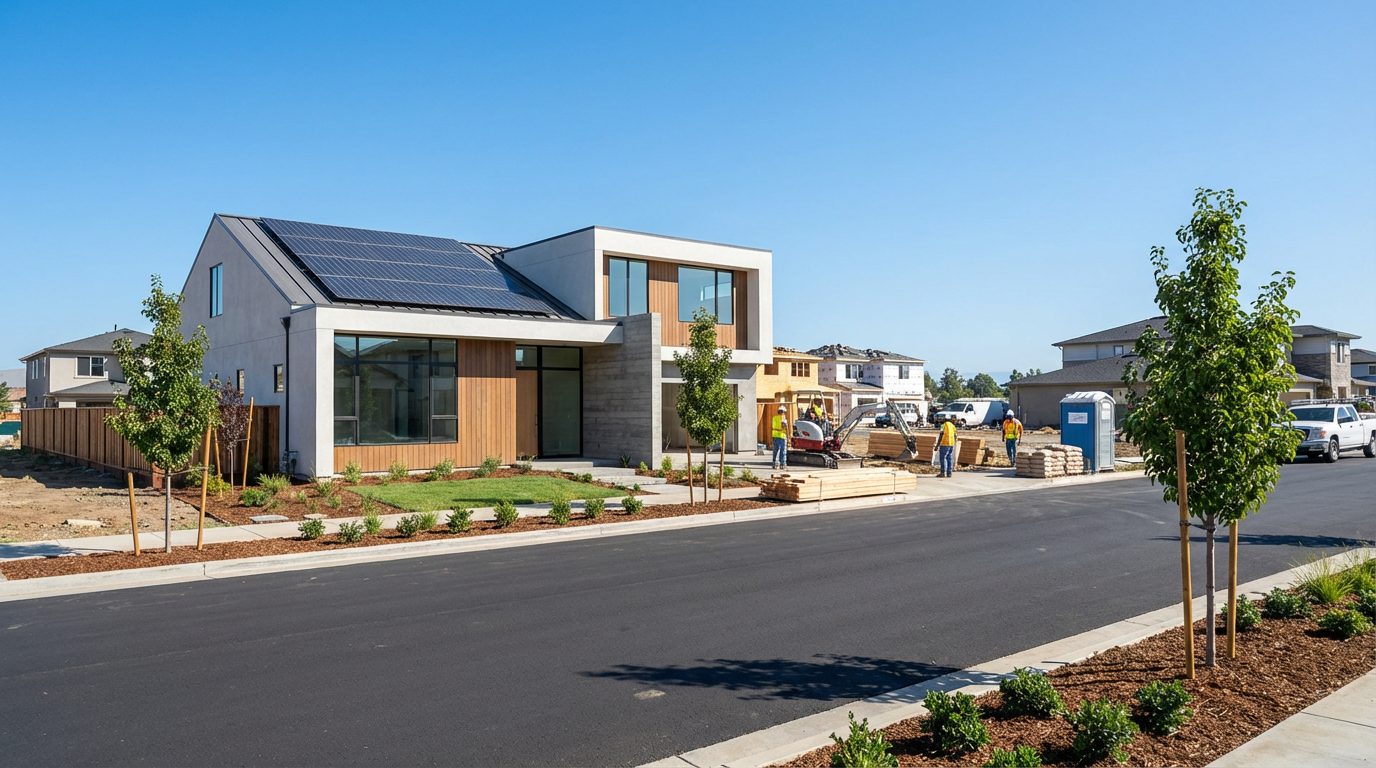
A construction loan is designed specifically to finance the building of a new home. Unlike traditional mortgages, construction loans are short-term and usually have higher interest rates due to their riskier nature. These loans often function in two ways:
- Construction-to-Permanent Loan: This loan transitions to a traditional mortgage when construction is complete, streamlining the transition for buyers.
- Standalone Construction Loan: A separate loan covers the building phase, after which you must apply for a standard mortgage once construction is finished.
When considering this route, remember to factor in potential delays or increased costs and scrutinize lender requirements for inspections and disbursements.
2. Builder Financing Programs
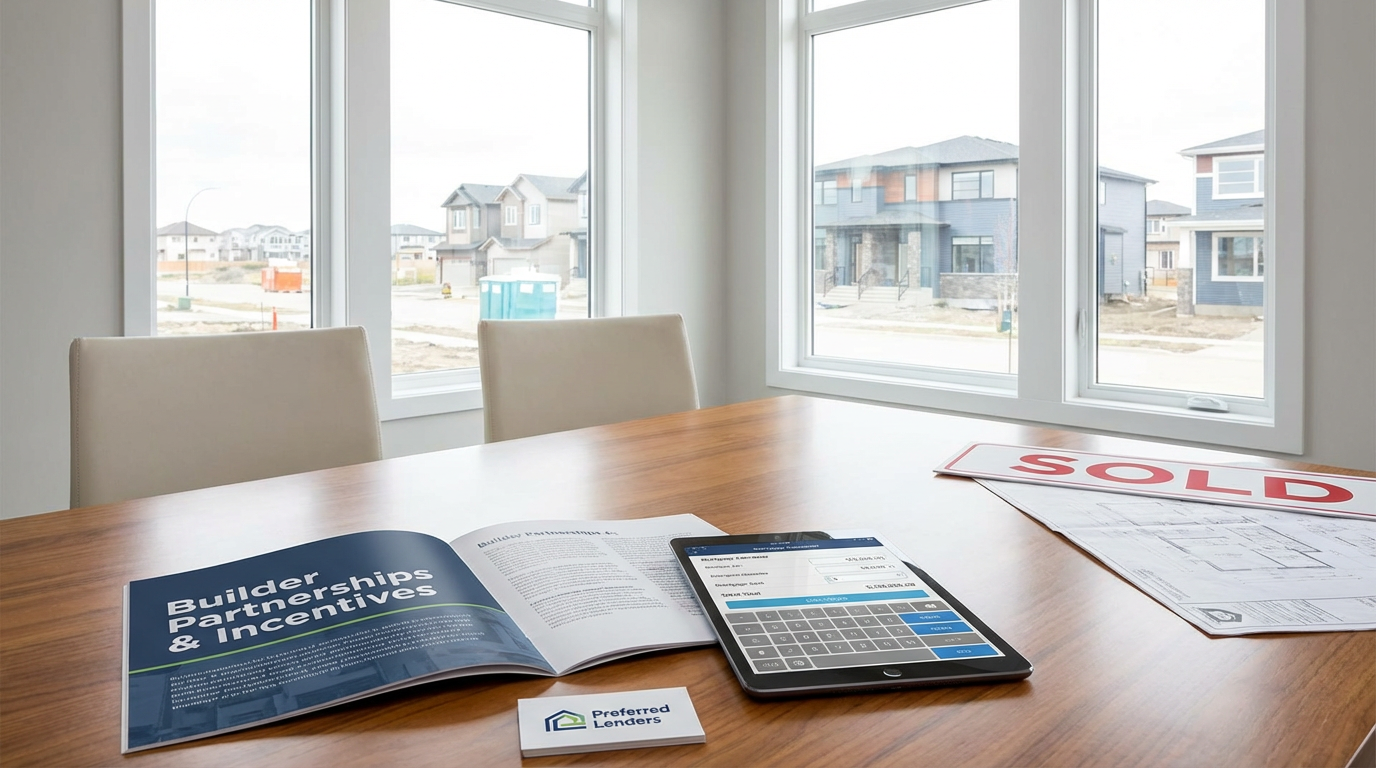
Many builders offer in-house or preferred lender partnerships, which frequently come with attractive incentives. These programs can include:
- Discounted interest rates or points
- Assistance with closing costs
- Exclusive financing terms tailored to specific developments
It’s worth exploring these deals but also comparing offers from independent lenders to ensure you’re securing the most favorable terms.
3. FHA and VA Loans for Newly Built Homes
If you qualify as a first-time homebuyer or military veteran, programs like FHA loans and VA loans can also be applied to new builds. FHA loans are easier to qualify for, with down payments as low as 3.5%, while VA loans offer significant benefits like zero down payment and no private mortgage insurance (PMI) for eligible veterans.
Before opting for these programs, ensure your chosen new construction property meets specific eligibility requirements set by the FHA or VA.
Key Considerations Before Financing a New Construction Home
Financing a newly built home requires careful planning. Here’s what to keep in mind:
1. Locking In Your Mortgage Rate
Given the time it takes to construct a home, locking in a low mortgage rate early can save you thousands over time. Some lenders offer extended rate-lock programs specifically for new construction buyers, extending up to 12 months.
2. Budget for Extras
While you’ll likely fall in love with the model home, bear in mind that the cost of upgrades, lot premiums, and additional features may not be included in the base price. Be sure to discuss these details upfront with the builder and your lender.
3. Evaluate Closing Timelines
Closing times for new construction homes can be unpredictable. Delays in the supply chain or weather-related interruptions can postpone delivery. Work closely with your lender and builder to build flexibility into your financing timeline.
Current Market Outlook in AZ, CA, NM, and TX
In states like Arizona, California, New Mexico, and Texas, the ongoing housing demand and lower housing inventory continue to favor new builds. According to recent data, communities in cities such as Phoenix, Austin, and Albuquerque have seen remarkable growth in newly constructed homes.
For instance, developers in California are focusing on sustainable housing, appealing to environmentally-conscious buyers. Meanwhile, Texas cities benefit from comparatively affordable land prices, making newly built homes an attainable option.
Take the First Step with Aron Home Loans
Financing a new construction home might seem overwhelming, but you don’t have to navigate it alone. At Aron Home Loans, we specialize in mortgage solutions across Arizona, California, New Mexico, and Texas, tailored to your unique needs—whether it’s a construction loan, FHA financing, or builder-specific programs.
Ready to explore your mortgage options? Contact Aron Home Loans today to get started and move closer to your dream home.
Final Thoughts
The demand for new construction homes shows no signs of slowing, and lenders are rising to the occasion with innovative mortgage options. Whether you’re eyeing a vibrant community in Texas or a sustainable home in California, understanding your financing choices is critical to making informed decisions.
With the right guidance and preparation, securing a loan for a newly-built home can be a smooth and rewarding experience. Let Aron Home Loans help you make your dream a reality.